We are forensic scientists for photovoltaics, tracing every loss in efficiency and reliability back to its root cause, from atomic defects in silicon to gigawatt-scale solar fleets.
Our work runs from fundamental defect physics to algorithms deployed on real solar fleets, peer-reviewed science, education and public commentary that shapes Australia's solar future.
Most solar technologies never reach their potential. We find out exactly why and then engineer the problem out.
Performance and reliability losses are rarely visible on the surface. They hide in nanoscale defects, in how a module ages over decades, and in the data streaming off a PV plant. Our group investigates all three.
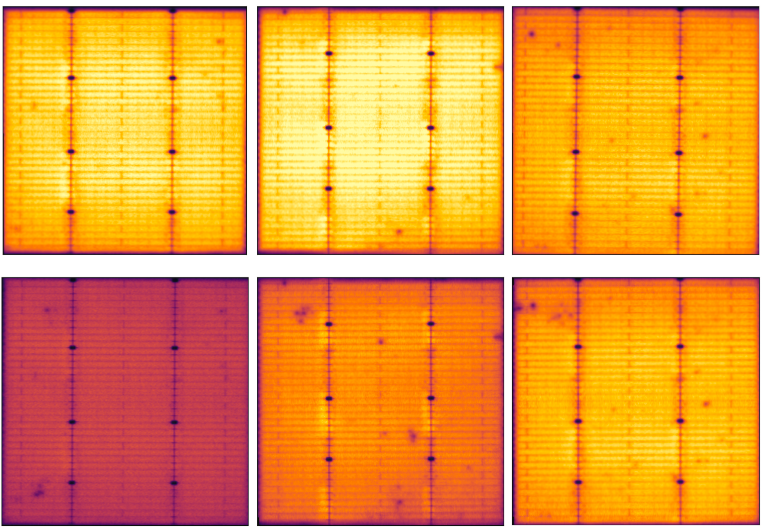
Using advanced characterisation, first-principles modelling and data analysis, we diagnose what limits photovoltaic and optoelectronic devices and translate that understanding into cells that are more efficient and systems that last longer.
We push the boundaries of photovoltaic technology and systems across the full value chain, from the wafer to the grid.
Data-driven methods to pinpoint why operating PV systems underperform and how to recover lost yield.
Reliability engineering for ultra-durable modules that hold their output for half a century.
Advanced defect and surface passivation plus novel contacting to lift industrial silicon cell efficiency.
Next-generation device architectures that break past the efficiency limits of conventional solar cells.
High throughput calculation of materials parameters to discover new materials for photovoltaics.
Selected output.

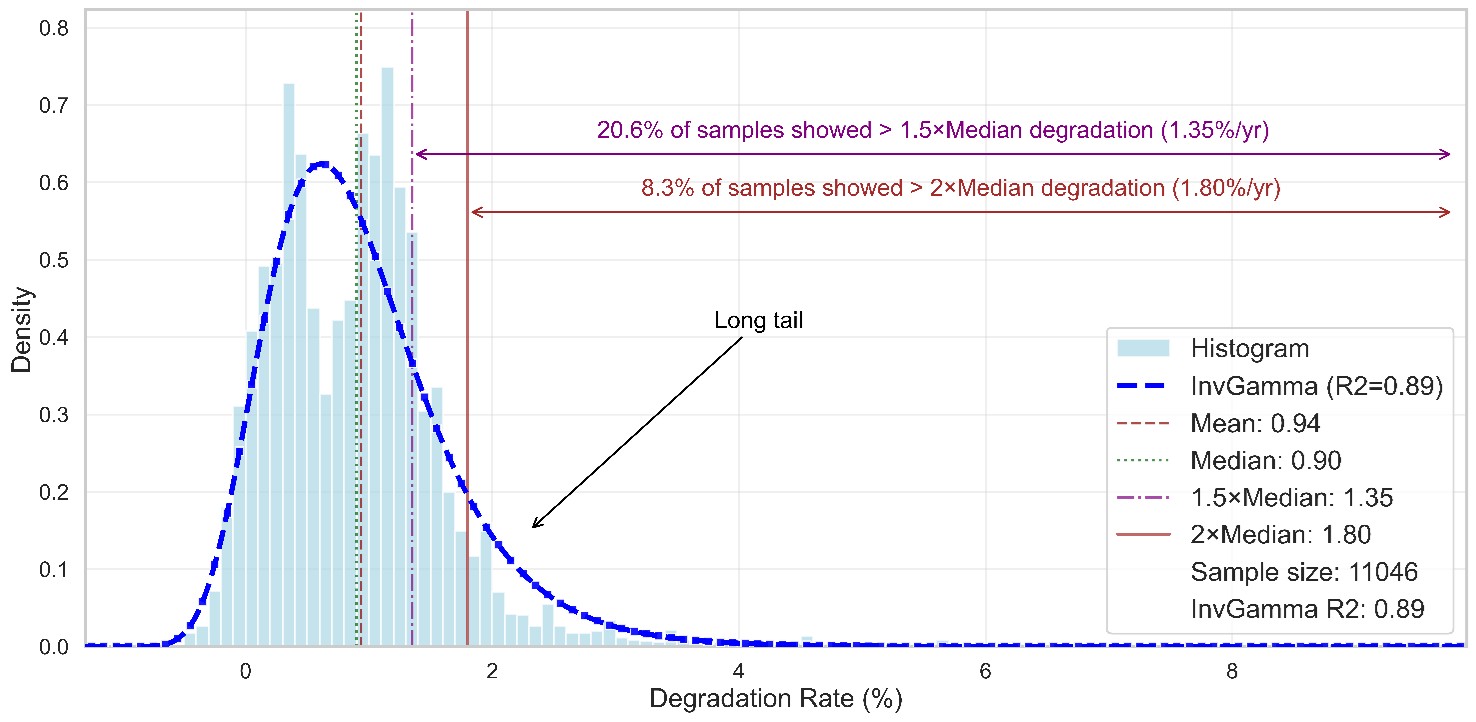
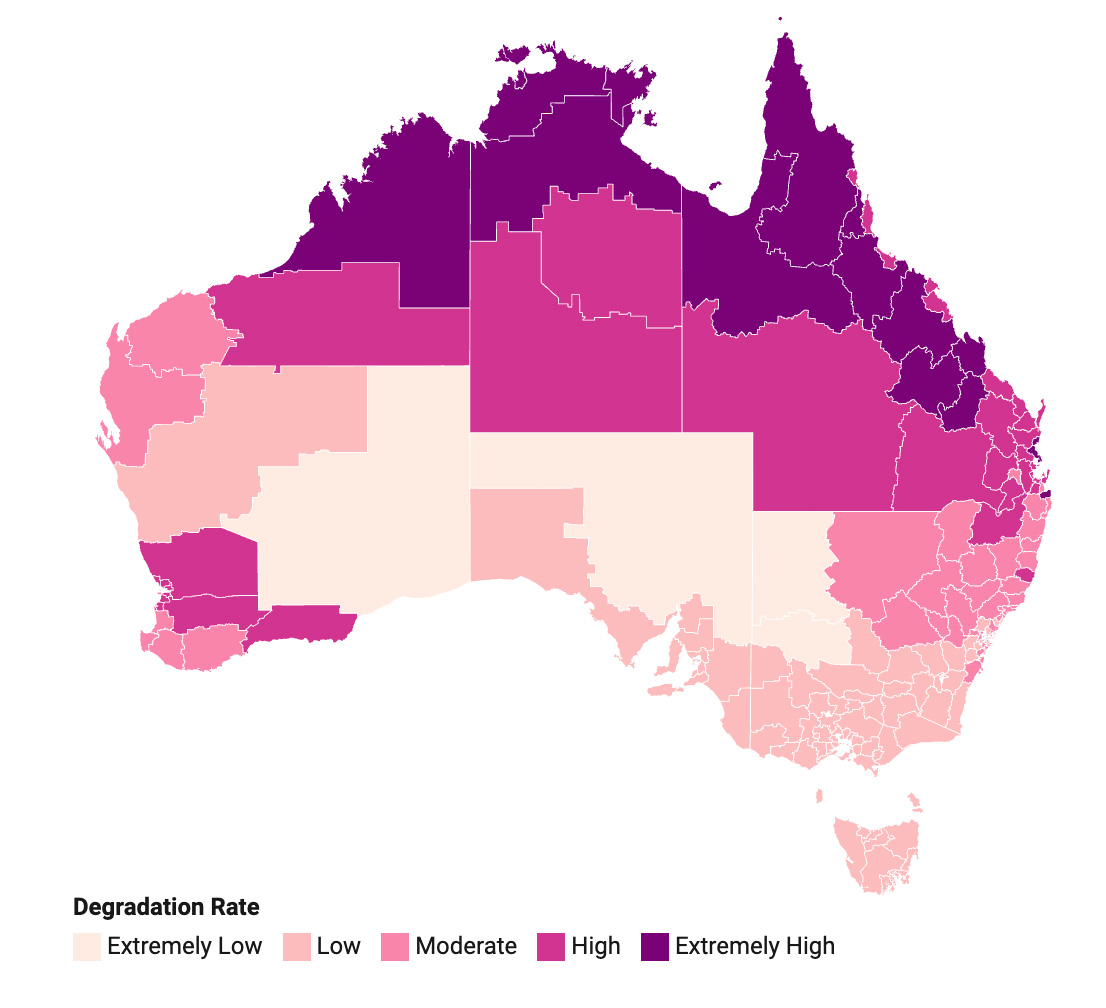
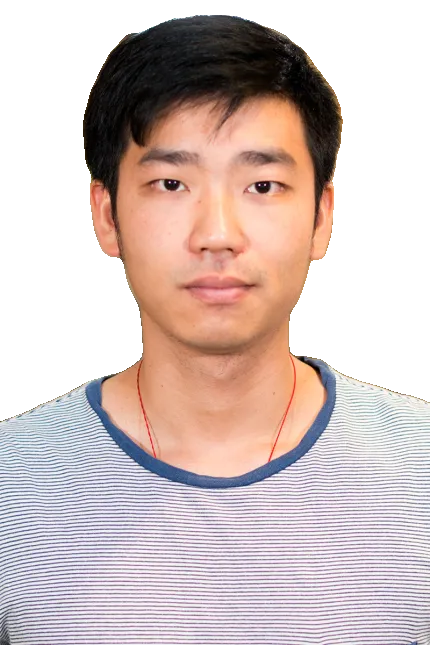
Analysing nearly 11,000 PV systems worldwide, our team, led by PhD researcher Yang Tang, found that while a typical system loses about 0.9% of output per year, a long tail of systems degrades far faster. For utility-scale solar, that hidden risk is enormous.

Our research demonstrates that rising temperatures accelerate module degradation, shortening lifetimes and pushing up the long-term cost of solar electricity. The implication is clear: climate resilience has to be engineered into modules now, not assumed.

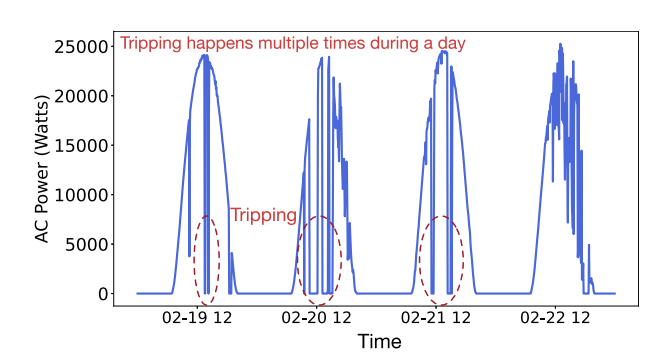
We built algorithms that detect underperforming rooftop and commercial PV from operational data, no site visit required. Now applied across more than 1,200 systems, they recover lost yield and flag faults long before they show up on a bill.

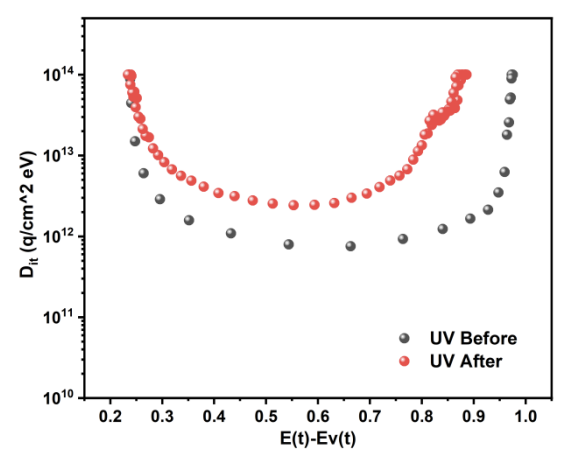
The silicon cell technologies that dominate the market, PERC and TOPCon, can quietly lose performance under ultraviolet exposure. Our latest work sheds new light on the mechanism behind it, pointing the way to more durable next-generation cell designs.
We follow a single loss mechanism across every scale, from a misplaced atom in a silicon wafer to the output of a power plant.
Our research and commentary regularly features in the international solar trade press and beyond.

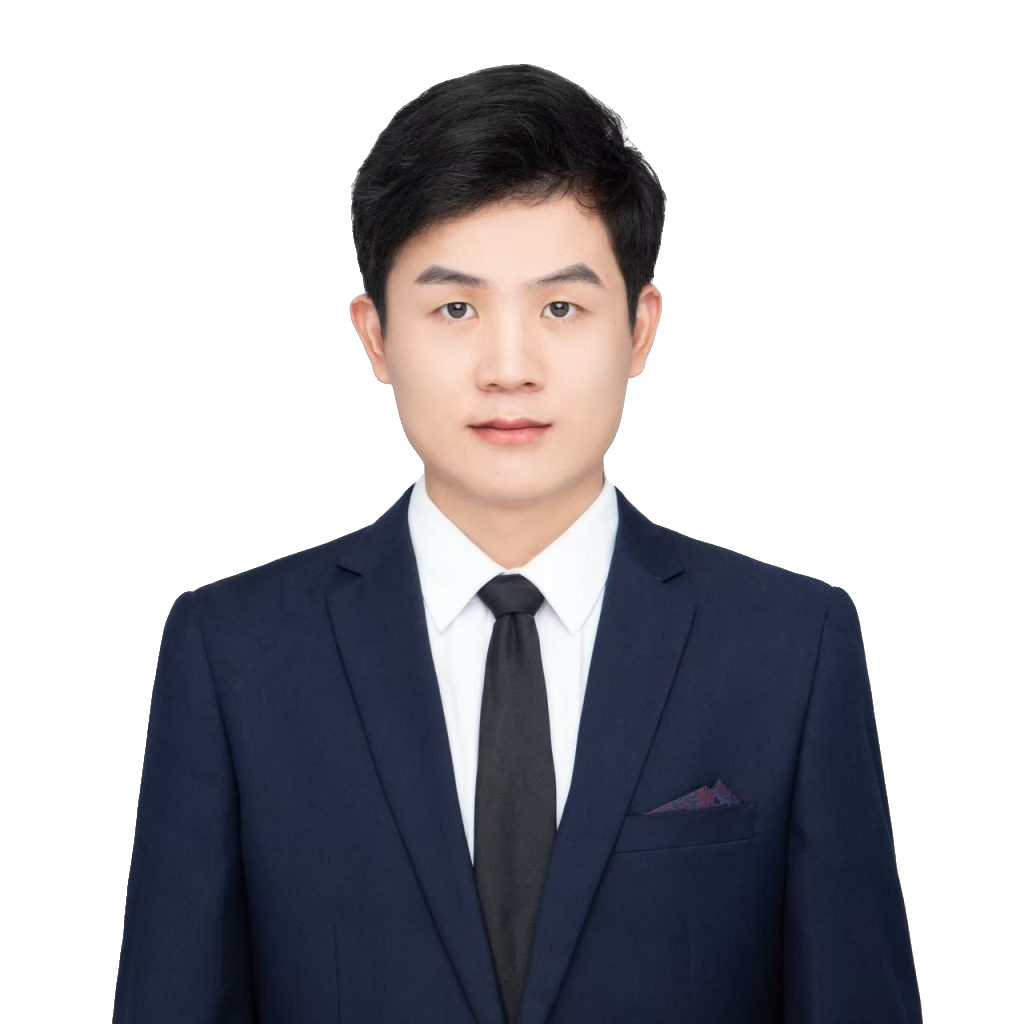
Fiacre leads the Photovoltaic Materials, Devices and Systems group, with research spanning defect physics, recombination, device modelling and data-driven PV diagnostics. This work has explained light-induced degradation, pushed upgraded metallurgical-grade silicon cells past 21% efficiency, and reached real solar fleets through deployed algorithms.
Beyond the lab he is an educator and innovator: he teaches core photovoltaics, builds AI-driven learning tools used across UNSW, and engages the public and policymakers on the future of solar, from manufacturing to the grid.


Researching semiconductor defects and materials science in the Department of Physics and Materials Science.
Working in ultrafast optics, nanophotonics and optoelectronic devices.

Developing drone-based daytime photoluminescence imaging for photovoltaics.

Teaching and researching sustainability analytics, renewable energy systems and data-driven approaches to the energy transition.
Designing and deploying photovoltaic and battery energy storage systems.

Working in materials science and computational materials engineering for advanced energy technologies.
A selection of our peer-reviewed journal articles, conference papers and theses. Search by topic, author or venue, or filter by year.
From core photovoltaics courses to AI-driven learning tools used across the university, teaching is a research discipline in its own right here.
Design Australian-Standards-compliant stand-alone PV systems for real sites.
Course outlineAdvanced design and analysis of grid-connected and off-grid photovoltaic systems.
Course outlineUnderstand the technologies reshaping electricity grids for a renewable future.
Watch seriesA micro-credential-style introduction to future electricity systems, renewable integration, storage and grid transformation, free and open on YouTube.
A featured public talk on where solar fits in the race to decarbonise, pitched for a general audience.
A program-level curriculum-mapping platform, adopted across multiple UNSW faculties to align courses, learning outcomes and assessment.
Open MappyPersonalised, large-scale AI learning support that helps engineering students work through problems at their own pace.
Learn moreA university-wide initiative mapping teaching and research against the UN Sustainable Development Goals.
Open dashboardWe are seeking curious, driven students to work on cutting-edge photovoltaic and materials science, from defect physics to system reliability. If that sounds like you, get in touch.